

 Log in
 Search

Developing Clean H2 Industry in Romania: National Strategy and Action Plan 2025-2030
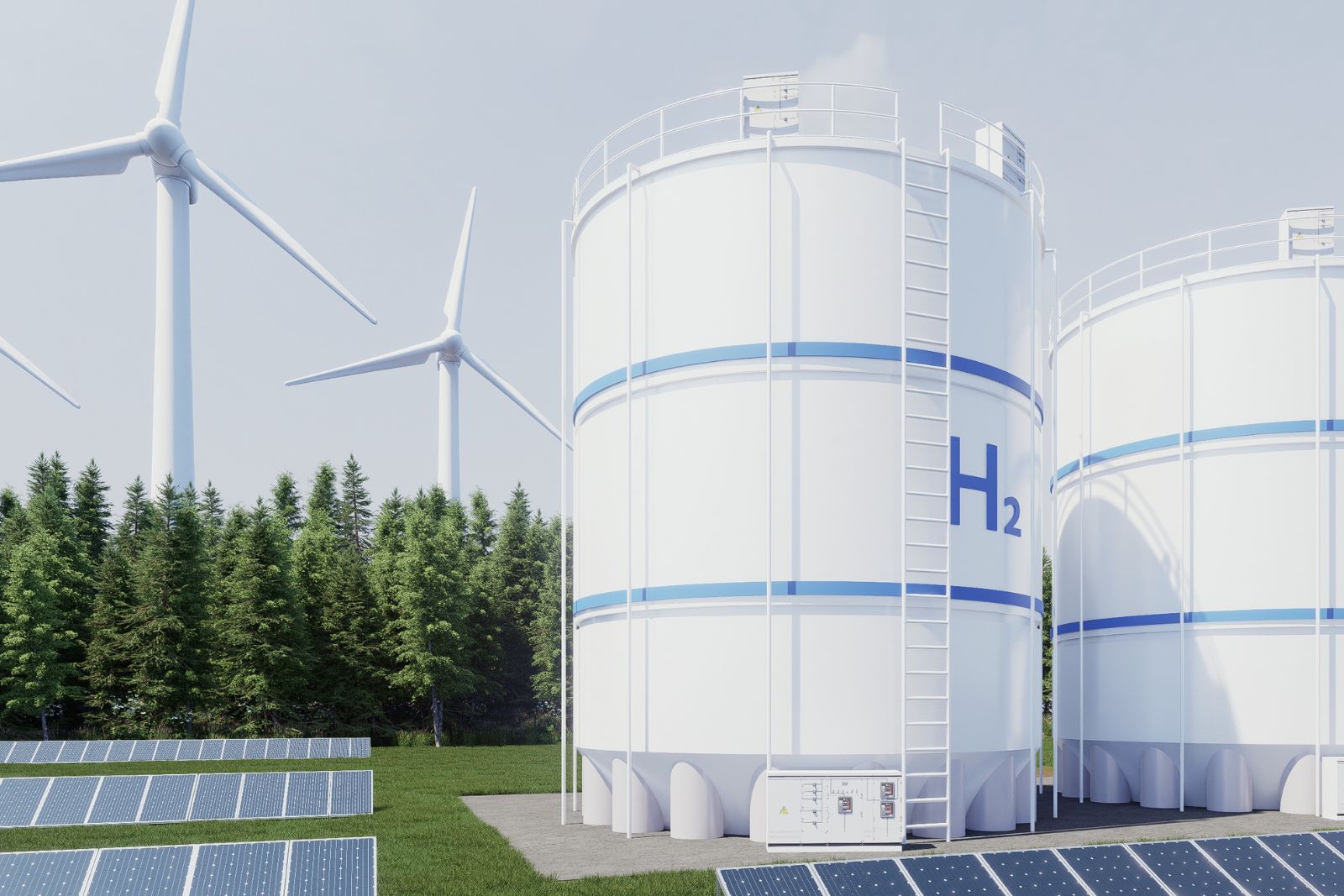
This Strategy presents an analysis of the relevant sectors for hydrogen development, based on the current situation in Romania, with arguments and examples of best practices from other European countries and beyond.
“Renewable hydrogen is seen as an important vector for reducing greenhouse gas emissions, playing a critical role in the energy transition to ‘net zero’ emissions. As part of the decarbonization process, the development of a solid system of renewable energy sources, hydrogen can be a substitute for fossil fuels currently used, contributing to the reduction of emissions in sectors vital to the Romanian economy such as industry and transport, but also in the energy and heating sectors,” the strategic document cites.
The strategy foresees the production of 153,000 tons of renewable hydrogen per year by 2030, mainly for transport and heavy industry. To reach this target, Romania will need more than 2,100 MW of electrolyzers, powered by around 4,200 MW of renewable energy from dedicated solar and wind farms.